 First Solar holds 2026 outlook as US trade policy reshapes solar market
  A Tale of Two Banking Markets: Texas M&A Heats Up as Deutsche Bank Treads Water
  Advancing Therapeutics and OTC Formulations: Key Updates in the Asian Pharmaceutical Sector
  Biotech Watch: Aditxt and Heidelberg Pharma Face Uphill Battle Amid Technical Slump
  Blackstone’s Next Act: Riding the $7 Trillion Data Center Wave
  Vivo’s 2026 Roadmap: A Dual 200MP Monster and a Surprise DJI Rival
  Frankfurt’s Dax Flatlines in Pre-Holiday Lull as U.S. Data Offers Mixed Signals
  Market Momentum for Specialized Funds: Latest Updates on JAAA and Aristotle Small Cap
  Leaked Sony Xperia 10 VII Renders Reveal Major Design Overhaul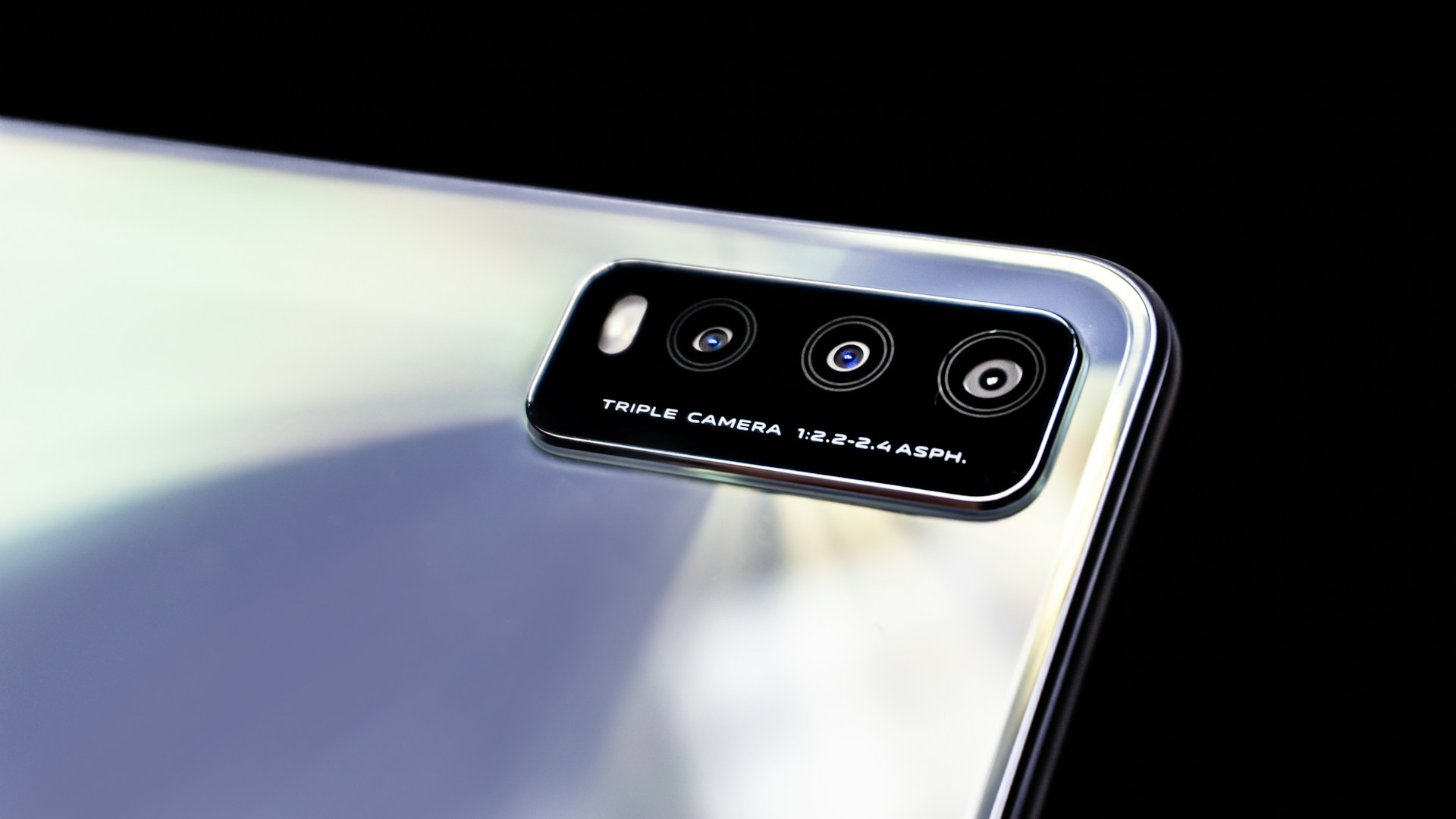
Vivo appears poised to aggressively corner the imaging market in 2026, with leaks pointing to a strategy that extends well beyond traditional smartphones. While the company is reportedly preparing a flagship phone with specifications that border on overkill, new reports from China suggest Vivo is also secretly developing a standalone handheld camera to challenge DJI’s dominance in the vlogging sector.
The “Super-Flagship” Leak
If a single 200 MP camera on a smartphone sounds excessive, Vivo is seemingly preparing to redefine the standard by doubling it. According to details shared by tipster Gadgetsdata on X, the upcoming Vivo X300 Ultra will feature a camera system anchored by two separate 200 MP sensors. The X Ultra series has consistently pushed the envelope in mobile photography, but this configuration suggests a move toward “no-compromise” hardware that could overshadow current market leaders.
Beyond the optics, the leaked specifications paint a picture of a device built for heavy users. The X300 Ultra is expected to sport a massive 6.82-inch flat LTPO OLED display with 2K resolution. Under the hood, performance will likely be driven by Qualcomm’s Snapdragon 8 Elite Gen 5 processor. Perhaps most notably, the power system is seeing a substantial upgrade; the leak points to a staggering 7,000 mAh battery, supported by 100 W wired fast charging and 40 W wireless capabilities.
Durability and utility haven’t been overlooked either. The phone is expected to carry an IP69 rating for superior water and dust protection, along with an ultrasonic in-display fingerprint sensor and USB 3.2 Type-C support.
Entering the Handheld Camera Market
While the X300 Ultra iterates on a successful formula, Vivo’s other project represents a completely new frontier. Reports emerging from Chinese media in February 2026 indicate that the manufacturer is developing a compact vlogging camera featuring a built-in 3-axis gimbal. This device would place Vivo in direct competition with the DJI Osmo Pocket 3 and its successors.
The project reportedly began internally in late 2025, with the form factor already finalized. Patent filings reveal a design heavily reminiscent of the DJI Pocket series, featuring a rotating display and a connecting arm. While there is no confirmed release date or pricing, the move isn’t as surprising as it might initially appear given Vivo’s trajectory over the last five years.
Leveraging the Zeiss Partnership and Custom Silicon
Vivo has arguably evolved into one of the most technically proficient camera manufacturers in the mobile space, a reputation built largely on its partnership with Zeiss. Initiated in 2020, this collaboration goes far beyond simple logo placement. The two companies operate the joint Vivo Zeiss Imaging Lab to co-develop optics and software. Crucially, in August 2025, they explicitly expanded their cooperation to include products outside the smartphone category, laying the groundwork for a standalone camera.
Furthermore, Vivo has spent years developing its own custom silicon. The V-series imaging chips, now in their fourth generation (VS1), handle complex tasks like real-time noise reduction, AI video stabilization, and 4K recording at 120 frames per second. This gives Vivo a proprietary processing stack independent of standard chip manufacturers.
Building on a Legacy of Stabilization
The company also possesses specific engineering experience relevant to a gimbal camera. Back in 2020, the Vivo X50 Pro introduced a unique “micro-gimbal” system that mechanically stabilized the lens across three axes. This technology has been refined over several smartphone generations and provides a logical technical foundation for a dedicated handheld device.
Recent benchmarks validate these efforts. The Vivo X300 Pro recently scored 171 points on DXOMark, securing the number two spot globally, with particular praise for its low-light performance and zoom capabilities. The company even experimented with modular hardware recently, releasing a Zeiss teleconverter with a bayonet mount for the phone, proving they are willing to explore hardware beyond the standard glass slab.
The Road Ahead
Despite the technical prowess, launching a standalone product presents significant hurdles. Unlike the smartphone market, where Vivo is a veteran, the dedicated camera segment requires entirely different sales channels and after-sales support networks. DJI currently holds a firm grip on the compact gimbal market, bolstered by a massive community and a mature ecosystem. While the technical pieces are in place, it remains to be seen if Vivo can successfully transition from being a phone maker with great cameras to a comprehensive imaging brand.