 First Solar holds 2026 outlook as US trade policy reshapes solar market
  A Tale of Two Banking Markets: Texas M&A Heats Up as Deutsche Bank Treads Water
  Advancing Therapeutics and OTC Formulations: Key Updates in the Asian Pharmaceutical Sector
  Biotech Watch: Aditxt and Heidelberg Pharma Face Uphill Battle Amid Technical Slump
  Blackstone’s Next Act: Riding the $7 Trillion Data Center Wave
  Vivo’s 2026 Roadmap: A Dual 200MP Monster and a Surprise DJI Rival
  Frankfurt’s Dax Flatlines in Pre-Holiday Lull as U.S. Data Offers Mixed Signals
  Market Momentum for Specialized Funds: Latest Updates on JAAA and Aristotle Small Cap
  Leaked Sony Xperia 10 VII Renders Reveal Major Design Overhaul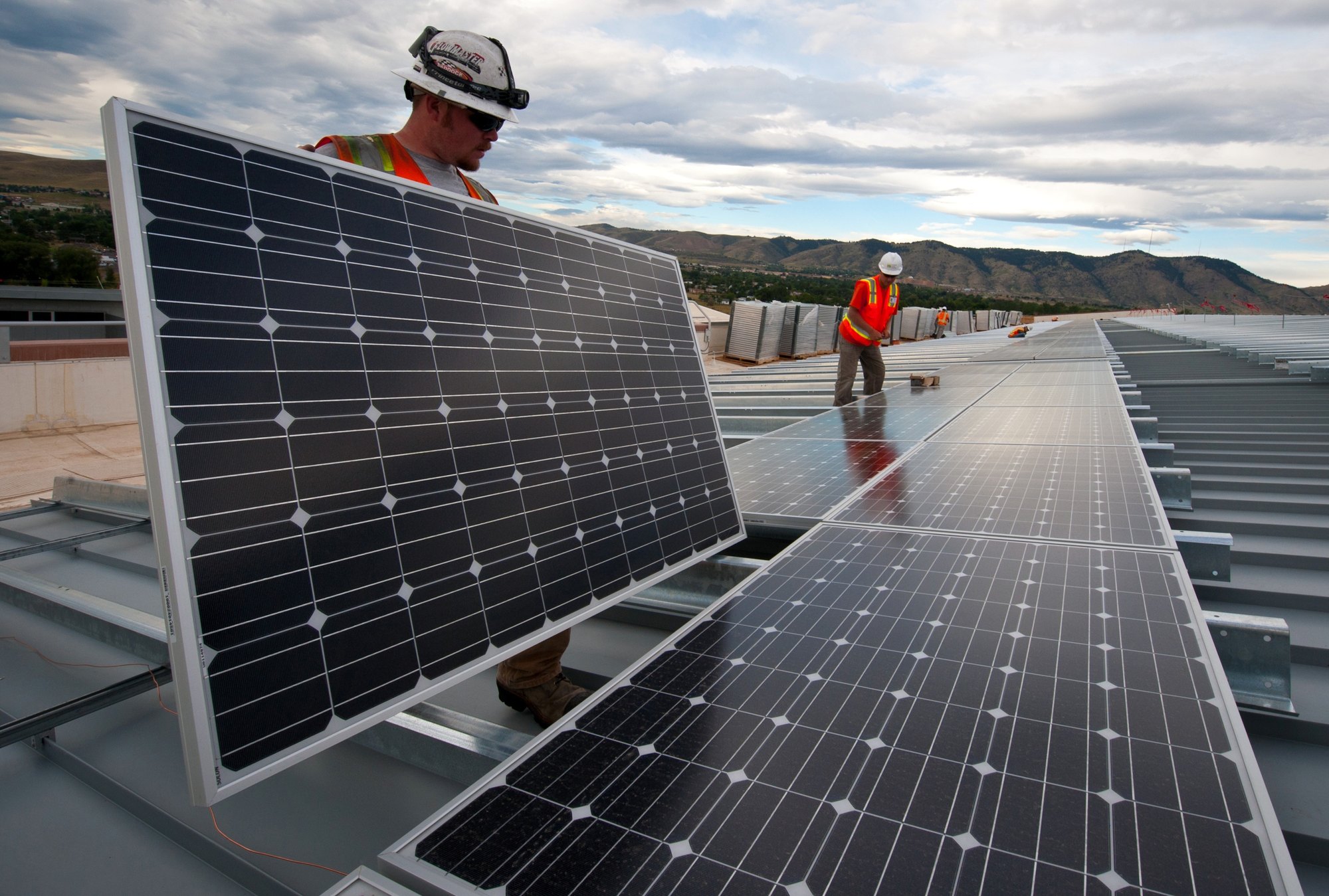
First Solar has reaffirmed its 2026 financial and production outlook as new U.S. trade measures alter the competitive landscape for solar manufacturers.
The company reported second-quarter sales of $1.06 billion and net income of $422.57 million. It continues to expect full-year net sales of between $4.9 billion and $5.2 billion, with module volume ranging from 17.0 gigawatts to 18.2 gigawatts.
Shares have gained 18.5% as investors assess the combination of the quarterly results, the maintained guidance and new tariffs and minimum import prices on products made with polysilicon. First Solar has publicly supported the measures.
Technology creates a different exposure
Most conventional solar modules use crystalline silicon, with polysilicon serving as a central raw material. First Solar instead makes cadmium telluride thin-film modules, giving the company a different supply-chain profile from rivals that depend more heavily on imported silicon materials.
The new trade rules can raise costs for imported polysilicon and solar products made from it, while First Solar’s core technology does not rely on the same input. That distinction may support its pricing position and demand visibility in the United States, where it is expanding domestic manufacturing capacity.
The company’s investor materials identify new production capacity, the contracted backlog and delivery execution as important elements of its 2026 plan. Reaffirming guidance while import rules tighten suggests management expects those operations and existing customer commitments to support the year’s targets.
Policy support also brings risk
The same policy environment that offers near-term protection also creates a clear risk. First Solar’s U.S.-focused strategy benefits when tariffs, domestic manufacturing incentives and trade remedies favour locally produced modules. A future change in those measures could reduce that advantage or alter the economics of planned capacity.
The broader solar market also faces a cost trade-off. Measures designed to diversify supply chains and encourage domestic production can lift prices for companies that rely on imported inputs. Developers will have to weigh those costs against the benefits of a more resilient U.S. manufacturing base.
For now, First Solar’s second-quarter performance and unchanged outlook indicate that management remains confident in demand through the rest of 2026. Investors will be watching the pace of the manufacturing ramp, contracted deliveries and the practical effect of the polysilicon rules on competitors and module pricing.
The next test will be whether policy support translates into sustained operating gains without slowing the expansion of solar capacity. First Solar’s results place it among the clearest beneficiaries of the shift, but its longer-term position remains closely tied to execution and the durability of U.S. industrial policy.